That Sound in Your Head? Somebody Paid for It: A Small Business Guide to Sonic Branding
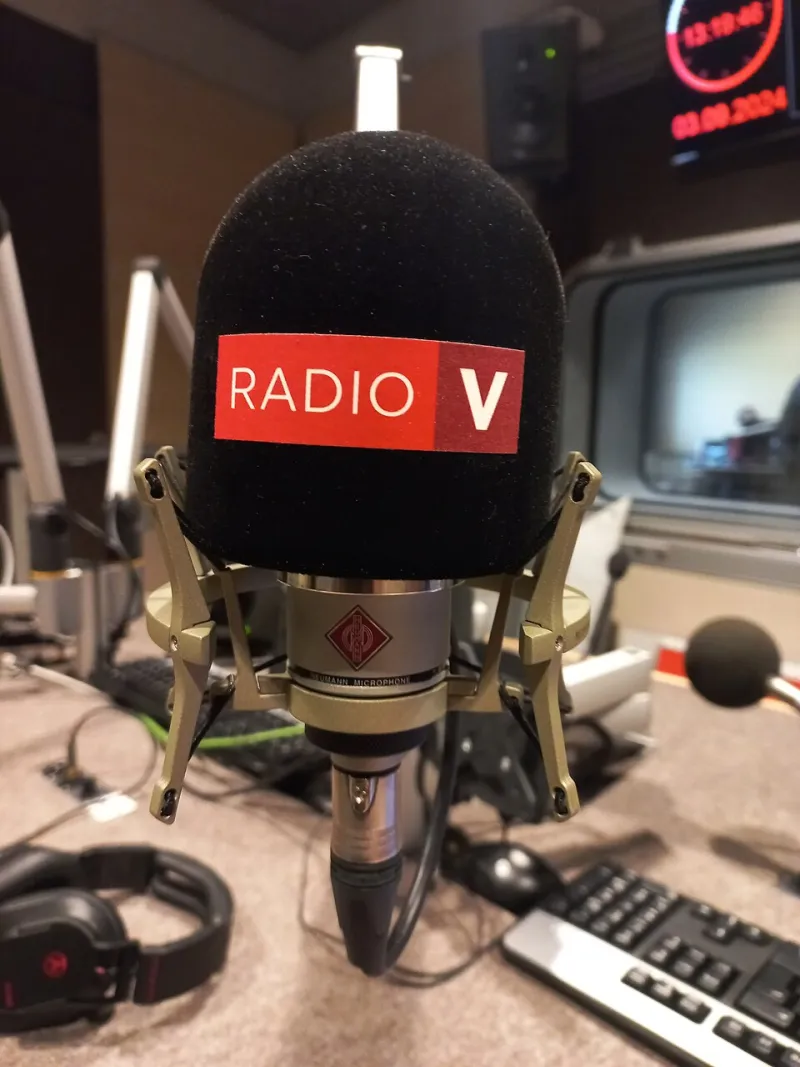
Photo: Asurnipal, CC BY-SA 4.0, via Wikimedia Commons
Close your eyes and say the words 'I'm lovin' it.' We'll wait. Odds are you didn't just read that — you heard it. The five-note jingle, maybe even the voice. That's sonic branding doing its job: showing up in your memory uninvited and refusing to leave.
Now here's the uncomfortable question for anyone running a growing business: if a customer closed their eyes and thought about your brand, what would they hear? For most small and midsize American companies, the answer is nothing. Crickets. And in 2025, silence is a branding liability.
Audio Went From Background to Front Row
For decades, sound branding felt like a luxury item — something you'd get around to after the logo refresh and the website redesign. That logic made sense when audio lived in a few expensive channels: radio, TV, maybe a hold-music line nobody enjoyed.
The landscape has flipped. Podcast ad spending in the US keeps climbing past a billion dollars a year. TikTok and Instagram Reels have made a three-second sound the difference between a scroll-past and a share. Smart speakers sit on kitchen counters in tens of millions of American homes. Even the storefront matters again — walk into any well-loved local coffee shop and the playlist is doing quiet work on your mood before you ever see a menu.
In other words, your customers now move through more audio touchpoints than visual ones on an average day. Most brands are still showing up to those moments with nothing to say. Or rather, nothing to hum.
What a Brand Actually Sounds Like
Sonic branding isn't one thing — it's a small system of sounds that all point back to you. Think of it as a family:
- The signature: a short, ownable audio cue. The Netflix ta-dum. The chime when you start up a Ford. Three to five seconds, max.
- The voice: who speaks for you, and how. Warm and folksy? Dry and funny? Consistency here matters more than polish.
- The atmosphere: the music underneath your videos, your ads, your store. The vibe that makes a 15-second clip feel like you before a single word lands.
Big brands treat these like assets because they are. But the principles scale down beautifully, and some of the best examples in the country come from businesses that would never call themselves 'audio brands.'
Small Brands, Big Ears
Look around and you'll find small operators nailing this without Hollywood budgets. A regional taco chain whose TikTok sound — a few seconds of sizzling plancha audio with a shouted tagline — gets reused by customers in their own videos. That's free distribution, generated by a sound. An independent bookstore whose podcast ads work because the owner reads them herself, mispronouncing nothing, sounding exactly like the person who'd recommend you a novel at the counter. A Midwest hardware store that became locally famous for its radio spots, which sound like a neighbor telling you a story rather than a company reading a script.
The common thread isn't production value. It's recognizability. Each of these businesses made a choice about how they sound and then repeated it until it stuck. That's the whole secret, and it costs far less than most people assume.
The Starter Framework: Five Steps to a Brand You Can Hum
Here's a practical path you can walk in a month, no agency required.
1. Audit what you've got. Pull up your last five videos, your podcast spots, your phone system, your storefront. Listen like a stranger. Is there anything consistent? Anything you'd want a customer to remember? Most audits reveal you've been accidentally random.
2. Define your sound in words first. Before you make anything, write three adjectives. Not 'professional' — everyone says professional. If your brand were a voice at a backyard cookout, what would it be? 'Warm, quick-witted, a little scrappy'? Those words become your brief for everything audio.
3. Pick your anchor. You don't need a full sonic system on day one. Choose one anchor asset: a two-second audio logo for the end of your videos, or a signature voice for every ad. One anchor, repeated everywhere, beats five assets used once.
4. Make it cheap and make it yours. A short audio logo can come from a licensing library for the price of a nice dinner out — but the smartest small brands lean on what they already own. The real sizzle from your kitchen. The actual bell on your shop door. The founder's laugh. Authentic source audio is free, legally yours, and impossible for a competitor to copy.
5. Repeat past the point of boredom. This is where most businesses fail. They get tired of the sound long before the audience does. The jingle you're sick of is the one just starting to live in your customers' heads. Set a rule: no changes for twelve months, minimum.
The Earworm Economy Favors the Small
Here's the part that should excite anyone competing against bigger budgets: audio memory is one of the few branding arenas where repetition beats spend. A national brand can buy impressions; it can't buy the intimacy of a small business owner's voice reading an ad for her own shop. And on platforms like TikTok, sounds spread horizontally — a great audio cue from a five-person company can travel as far as one from a five-thousand-person company.
Your brand story doesn't just live in the copy on your website or the footage in your videos. It lives in the three seconds of sound that plays before someone swipes away. The brands that understand that are quietly building something their competitors can't see in a deck — but customers can't stop hearing.
So, one last time: what does your brand sound like? If the honest answer is 'nothing yet,' that's not a problem. That's an open mic.