That Old Voicemail Is Worth More Than Your Next Ad Shoot
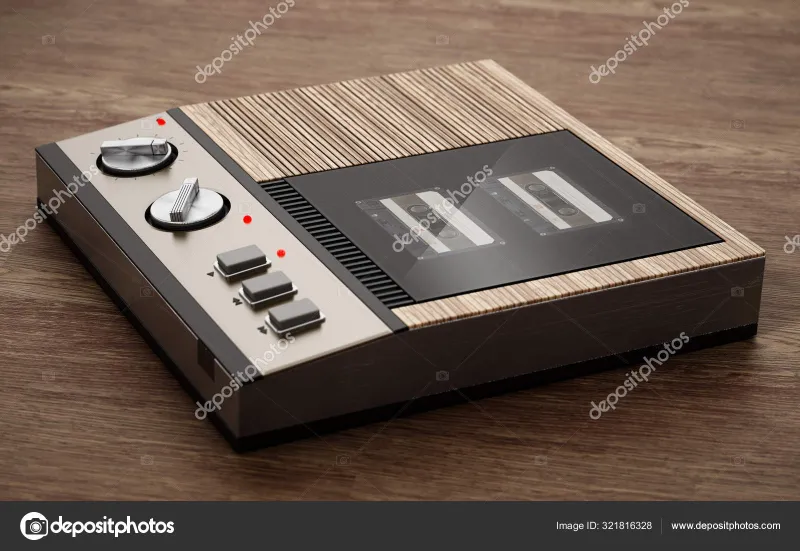
Photo: vintage microcassette answering machine tape on wooden desk, via st3.depositphotos.com
There's a voicemail saved on a microcassette somewhere in America right now that could sell a business better than any agency pitch. Maybe it's a customer calling to say the diner's meatloaf reminded her of her mother's. Maybe it's the owner's late father, leaving a message about a delivery window before a handshake deal. It's crackly, it's imperfect, and it is, hands down, the most credible piece of media that company possesses.
We spend so much time planning the next campaign that we forget the archive we already have. And for growing businesses, that archive—old voicemails, grand-opening footage, store intercom recordings, ribbon-cutting camcorder tapes from the county paper—is the most underused content library in existence.
Why Imperfection Wins the Scroll
Audiences have developed a kind of ad-blindness. Polished production reads as paid, and paid gets skimmed. But a hissy cassette recording of a real person reacting in real time? That bypasses the skeptic in all of us. It signals three things no script can fake: that your business existed before the algorithm, that real people cared, and that you haven't scrubbed the past to make it presentable.
There's a reason brands with decades of history keep winning the nostalgia game—the vinyl revival, the Y2K aesthetic, the comeback of the roadside motel sign. Authenticity has become a scarce resource, and old tape is its purest ore.
The Archive You Forgot You Own
Before you say "we don't have anything," walk through this checklist:
- Answering machine tapes and voicemail backups from the front desk, especially from the first years of business
- Grand-opening footage—local news clips, a cousin's camcorder, photos of the first day with a line around the block
- In-store audio, like holiday intercom announcements or a radio spot that ran on the AM station in 2003
- Milestone recordings: anniversaries, retirements, the mayor's visit, the flood cleanup
- Old ads and print collateral that can be scanned and paired with the audio
Any one of these can anchor a campaign. Together, they're a content calendar for a quarter.
From Shoebox to Strategy: A Practical Playbook
Step 1: Digitize everything. Services and local libraries routinely convert cassette, VHS, Hi8, and MiniDV for a few dollars per tape. Do it before the media degrades—magnetic tape has a shelf life, and it's shorter than you think.
Step 2: Log, don't curate. Label each file with a date, a name, and one sentence of context. You're not deciding what's usable yet; you're building a searchable library.
Step 3: Find the emotional spike. Listen for the moment where the recording stops being a recording and becomes a story—the laugh, the pause, the "I never thought we'd make it." That's your :15 clip. That's your homepage audio bed.
Step 4: Clear the rights. If a customer's voice is on the tape, get written permission—a short release form works. For anything shot by a third party, like a local news segment, check licensing terms. It's usually inexpensive, but do it right.
Step 5: Repurpose ruthlessly. One great minute becomes a social clip, a podcast cold open, an email header, a website timeline, and the emotional close of your next brand video. Old tape is the ultimate shoot-once, publish-forever asset.
A Real-World Shape This Takes
Picture a family hardware store in Ohio celebrating 40 years. Instead of commissioning a glossy anniversary spot, they digitize a voicemail from 1997: a contractor calling at 6 a.m., asking them to open early because he's got a crew waiting. The owner plays it over slow footage of the original storefront. The caption reads, "Still answering before the sun comes up."
No scriptwriter could improve on that. No actor could sell it. And it cost less than a day of new production.
The Takeaway
New content keeps you relevant. Old content makes you real. The businesses that win the next decade of attention will be the ones that treat their archives not as storage but as strategy—and the best part is you don't need a budget to start. You need a shoebox, a digitizing service, and one honest minute of tape.
Go find the voicemail. It's been holding your brand's story together this whole time.