Say It Like You Live There: How Regional Voice Became the Most Trusted Sound in American Marketing

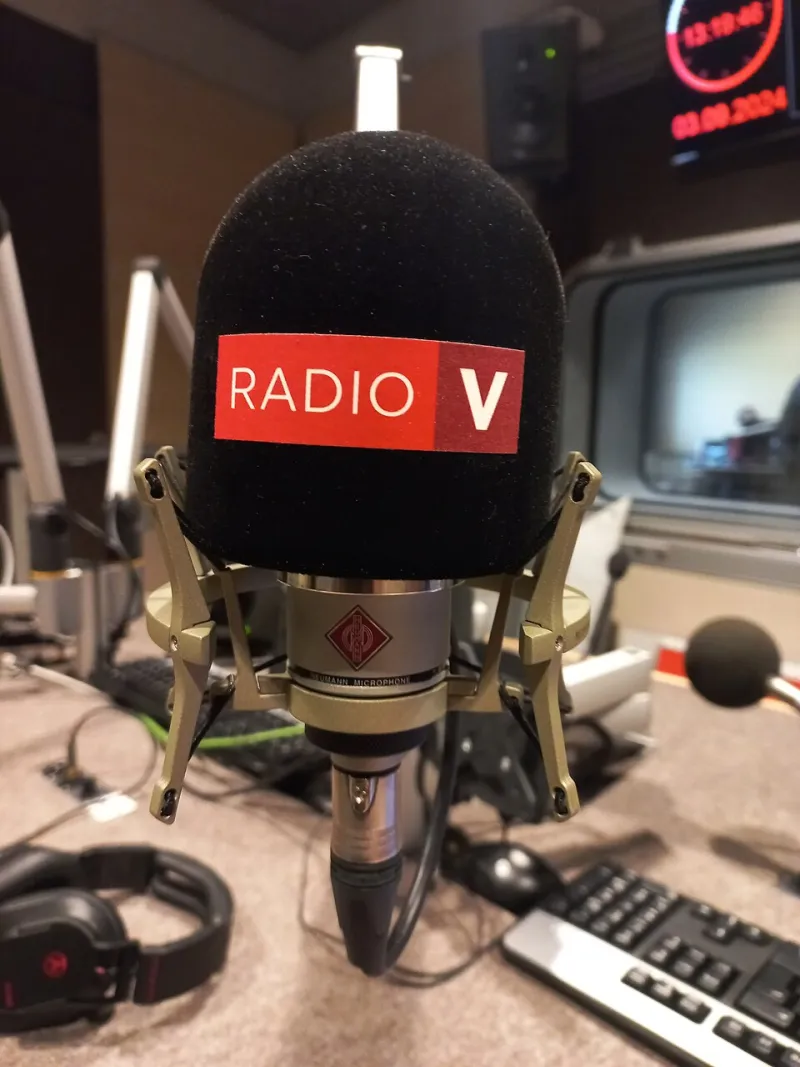
Photo: Padan Art Group, CC BY-SA 4.0, via Wikimedia Commons
For most of the last century, the voice of American advertising was a lie. It was the mid-Atlantic broadcast tone — smooth, placeless, aggressively neutral. It sounded like a man in a beige sweater explaining savings to nobody in particular from a studio in nowhere in particular.
That era is ending. Walk through a well-made campaign today and you'll hear Texas drawls in insurance spots, Boston accents in bakery ads, and Appalachian cadences in outdoor brand films. And the numbers back up what audiences already feel: the placeless voice is losing to the one that sounds like home.
The Psychology of Sounding Local
Researchers call it accent-based trust, and it works both ways. Studies have consistently shown that people rate speakers as more sincere and more relatable when the voice matches their own regional identity. We don't just understand our own accent — we extend goodwill to it.
For a national brand, that's a problem to manage. For a regional business, it's a superpower nobody's using. A Texas insurance firm that opens its spot with a genuine drawl isn't performing authenticity. It's signaling membership. The subtext of every local-accented word is simple: we're from here too, and you can hold us to that.
There's also a memory advantage. In a feed full of interchangeable, polished voices, an accent is a pattern interrupt. Your brain notices what doesn't sound like everything else. That's free attention, and small businesses can't buy attention — they have to earn it.
Brands That Went Regional on Purpose
This isn't just a scrappy-small-business move. Big brands have been quietly regionalizing for years.
- Whataburger leans hard into Texas identity, down to the way its commercials are voiced — warm, unhurried, unmistakably Southern.
- Dunkin' built an entire New England persona, occasionally letting Boston accents slip into campaigns on purpose, because the accent is the brand's origin story.
- Yuengling, America's oldest brewery, has never once tried to sound like anything other than Pottsville, Pennsylvania — and that stubbornness reads as credibility.
Notice what these have in common: none of them apologize for where they're from. That's the whole playbook.
A Practical Guide to Casting Local Voice
If you're ready to sound like your zip code, here's how to do it without tipping into caricature.
1. Cast from your actual community first. Before you post a casting call, ask: does someone on your team, in your family, at your counter already have the voice? Real employees with real accents beat hired talent doing an impression. Audiences can hear the difference between an accent and a lived-in one.
2. Record the audition, not just the read. Accents relax in conversation. A voice actor who nails a scripted line may flatten out when riffing. Ask for a casual voice memo about their hometown before you ever hand them copy.
3. Avoid the trap of exaggeration. The fastest way to insult your audience is an accent turned up to eleven. The goal is natural, not novelty. If the read sounds like a SNL sketch, pull back.
4. Match the accent to the audience, not the brand's ego. If you serve a fifty-mile radius, cast within it. A Pittsburgh voice won't land in Philadelphia, and both know it.
5. Write for the mouth, not the page. Local voice dies on formal copy. Read your script out loud. If it doesn't sound like something someone from your region would actually say at a hardware store, rewrite it until it does.
The Bigger Point: Specificity Scales Down Beautifully
National brands spend millions trying to manufacture the belonging you already have. Your accent, your phrasing, your hometown references — these aren't quirks to smooth out before the cameras roll. They're the asset.
The placeless voice was always a compromise, made when reaching everyone meant sounding like no one. But your business doesn't need to reach everyone. It needs to reach the people who can drive to you.
So the next time you review a script or audition talent, ask one question: does this sound like somebody who lives here? Because your customers can tell. And increasingly, they're choosing the brands that sound like they do.