Read for the Part: How Real Casting Turns Everyday Customers Into Your Best Storytellers

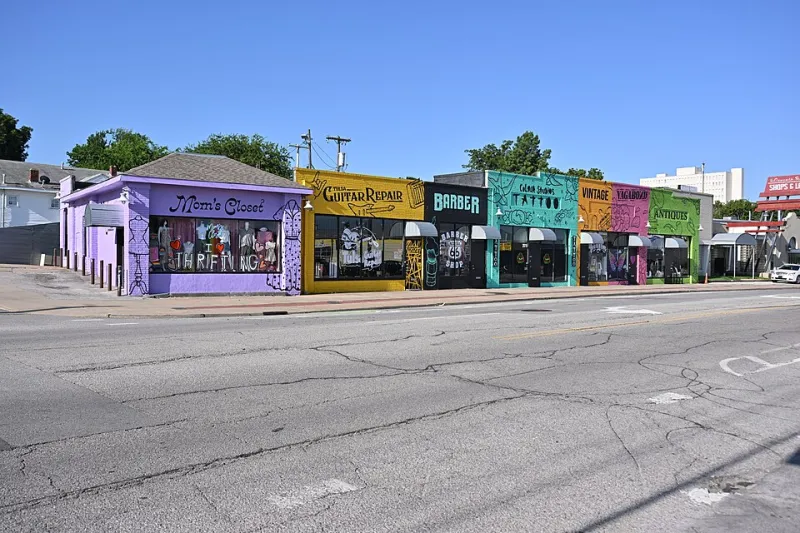
Photo: 高雄市政府文化局, Attribution, via Wikimedia Commons
There's a moment every marketer dreads. The camera rolls, the customer sits down, and the person who raved about your business for twenty minutes at the counter suddenly delivers a line so stiff it could survive a Wisconsin winter: "They were... great. Really great."
That's not a talent problem. That's a casting problem.
Most brands treat customer testimonials like extras on a film set — grab whoever happens to be nearby, point the camera, hope for the best. But the brands whose stories actually stick do something different. They cast their customers the way a director casts a lead: deliberately, thoughtfully, and long before anyone turns on a light.
Extras Fill Space. Leads Carry Stories.
Think about the last campaign that genuinely moved you. Chances are, you didn't remember the product specs. You remembered a person. The way they talked. The specific detail they shared that felt too honest to be scripted.
That's what a cast customer does that an extra can't. An extra shows up. A lead holds the screen. When you're deciding who to feature from your customer base, you're not looking for your biggest spender or your loudest fan on social media. You're looking for someone with three qualities:
1. A story with a before and after. The best brand stories have stakes. Someone who says "I always liked them" gives you nothing. Someone who says "I almost closed my bakery in 2022, and this changed the math" gives you a movie.
2. The ability to talk like a human, not a brochure. Listen to how they describe your business when the camera is off. If they use your tagline, keep walking. If they use their own words — even slightly messy ones — you've got gold.
3. Comfort being seen. Not confidence, necessarily. Some of the best on-camera subjects are quiet people who light up when they talk about something they care about. That's the thing you're actually casting: the light-up.
The Pre-Shoot Casting Framework
You don't need a casting director or a Hollywood budget to do this well. You need a process. Here's the four-step version we run before any shoot that features real people.
Step 1: Build a longlist from behavior, not volume
Skip the people who tag you the most. Look instead for customers who've done something with your product or service — opened a second location, finished the marathon, landed the job, fixed the problem. Accomplishment is a story engine. Pull ten to fifteen names.
Step 2: Hold a real conversation, not an interview
Call each person for fifteen minutes with zero cameras involved. Ask them to tell you the story of how they found you and what changed. You're listening for two things: do they have a natural arc, and do they speak in specifics? "The Tuesday team meeting where we finally cracked it" beats "great customer service" every single time.
Step 3: Cast for contrast
If your final lineup features three people who all say the same thing, you've cast one person three times. Choose subjects whose stories cover different angles — the skeptic who converted, the longtime loyalist, the newcomer with fresh eyes. Three contrasting voices make your brand feel three-dimensional instead of on repeat.
Step 4: Brief them like actors, not witnesses
Here's the step everyone skips. Send your final cast a short, friendly prep note: the story you loved from your call, the rough questions you'll ask, and one rule — don't rehearse answers, just remember the moments. Then, on shoot day, have the director chat with them off-camera for a few minutes first. By the time the red light comes on, they're having a conversation, not reciting a deposition.
Avoiding the Deer-in-Headlights Problem
Even well-chosen people freeze. It's rarely fear — it's pressure. They think there's a right answer, and they're terrified of getting it wrong. Your job is to remove the idea that there's a wrong answer.
A few tactics that work on real sets:
- Ask them to tell you the story wrong first. It sounds counterintuitive, but giving permission to be bad unlocks natural delivery.
- Never ask a question you don't already know the answer to. You heard the story on your casting call. Re-ask it. They'll tell it better the second time, because the first time was the rehearsal they didn't know they were doing.
- Roll before you officially roll. Some of the most usable footage happens in the warm-up, when nobody's performing yet.
The Payoff: Stories That Outlive the Campaign
When you cast well, you don't just get a better video. You get a relationship. The customer you featured becomes an evangelist with a credit to their name. Their network watches. Their colleagues ask questions. That bakery owner we mentioned? She's not a testimonial anymore — she's a character in your brand's ongoing story, and audiences follow characters.
So before your next shoot, resist the urge to grab whoever's available that Tuesday. Hold the auditions. Read for the part. The campaign will thank you, and so will the viewer who finally hears a story that sounds like it came from an actual person — because it did.