No Do-Overs: Why the Best Marketing Feels a Little Dangerous
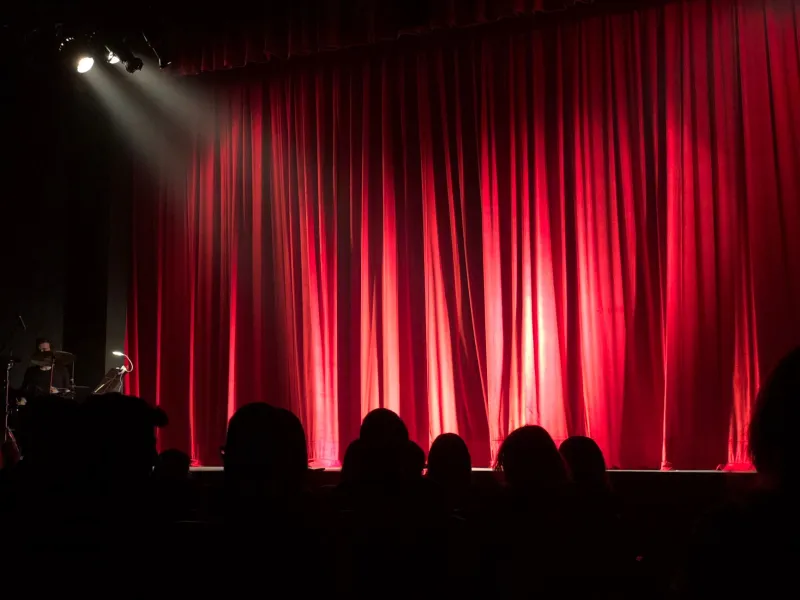
There's a moment in every live theater performance that no rehearsal can prepare you for. A prop breaks. An actor forgets a line. Somebody in the third row sneezes at the worst possible time. And then something remarkable happens: the cast adapts, the audience leans in, and the show somehow becomes more memorable than the script ever promised.
Now think about the last brand video you watched. Perfectly lit. Flawlessly scripted. Every cut on the beat. And completely forgettable.
At FWY Media, we've started calling this the over-edit problem, and we think it's quietly draining the personality out of American marketing.
The Polish Tax Nobody Talks About
Somewhere along the way, brands got convinced that polish equals professionalism. So they loop in another round of revisions. They re-record the founder's intro because she said "um" twice. They cut the bloopers, the laughs, the real moments — the very things that make people believe you're run by humans.
Here's the catch: audiences have gotten so good at detecting over-produced content that they now read it as a warning sign. If everything is airbrushed, what are you hiding?
Live theater never has this problem. Part of why people pay good money for a Broadway ticket in New York or a community playhouse production in Omaha is the stakes. Anything can happen. Everybody in the room knows it. That shared risk creates a bond no edited asset can replicate.
What One Take Actually Signals
When a brand posts a one-take video — no cuts, no color correction, no script on a teleprompter — it makes a claim that no tagline can: we're confident enough to show you the real thing.
We've watched this play out with clients. A founder walking the shop floor, phone in hand, stumbling over a word and laughing it off. A live Q&A where the Wi-Fi glitches and the team jokes about it in the comments. These moments outperform the polished flagship videos, not because they're prettier, but because they're harder to fake.
Trust is built in the moments that could have gone wrong and didn't — or did, and you handled it with grace.
How to Let Chaos Back In (Without Losing Your Mind)
We're not suggesting you fire your editor or livestream your accounting meetings. We're suggesting you budget for imperfection the way you budget for production. A few practical moves:
Schedule one-take content on purpose. Once a month, film something with no cut button. A founder's note, a product walkthrough, a quick take on industry news. If it needs a second take, ask yourself why.
Keep the outtakes. That moment when your team cracks up mid-shoot? That's a reel. Post it. Audiences reward brands that don't take themselves too seriously.
Go live before you feel ready. Live streams are the closest thing marketing has to opening night. Yes, something might go sideways. That's the feature, not the bug.
Set guardrails, not scripts. Give your spokespeople three points to hit and the freedom to say them like a person. Scripts produce recitations. Guardrails produce conversation.
Respond in real time. The reply you post thirty minutes after a customer's comment does more for trust than the campaign you spent six weeks producing.
The Curtain Call
Theater survived a thousand years of technological disruption — cinema, television, streaming — precisely because it refused to offer a safety net. Scarcity of perfection became its value proposition.
Your content calendar could use a little of that energy. Not everywhere. Not recklessly. But somewhere, regularly, a version of your brand that has no do-overs.
Because the brands people remember aren't the ones that got every frame right. They're the ones brave enough to go on with the show.