Hand Them the Mic: Why Your Next Campaign Should Be Filmed by the People Already Talking About You
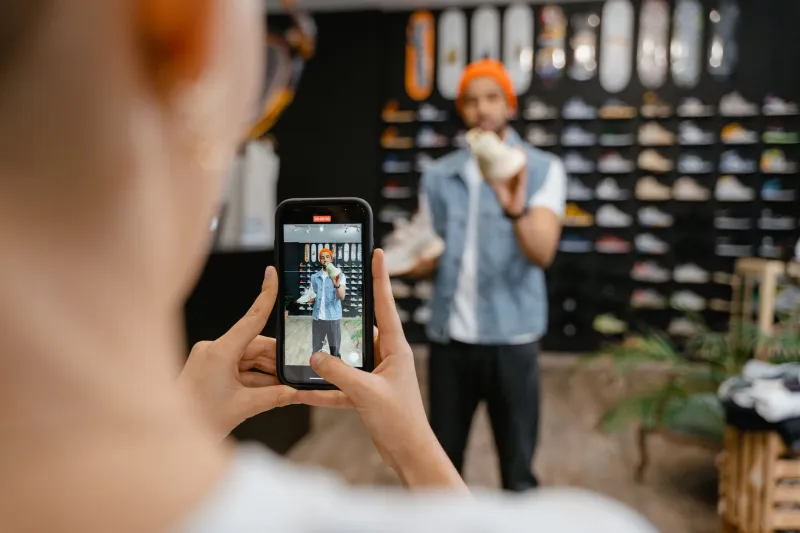
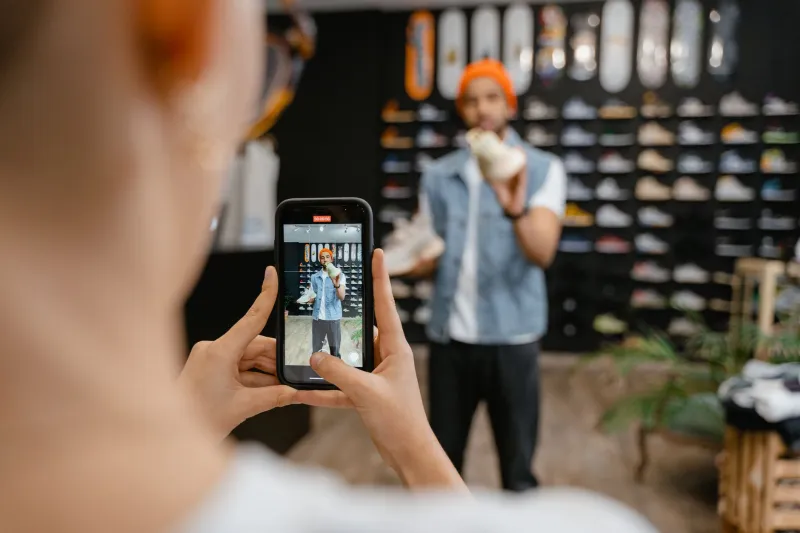
Here's an uncomfortable stat to sit with: people trust a stranger's phone video more than they trust your beautifully produced brand film. Not slightly more. Meaningfully more. And honestly, can you blame them? Your commercial was made to sell. Your customer's shaky iPhone clip was made because they genuinely couldn't shut up about you.
That gap — between what brands say and what communities say — is where the next era of content marketing lives. And the businesses that figure it out first won't just save money on production. They'll own something money can't buy: proof.
The Case for Giving Up Control (Sort Of)
Let's get the objection out of the way first. "If customers make our content, doesn't the brand voice fall apart?"
No — because the brand voice was never supposed to be your voice. It's the voice your customers use when they describe you to a friend. When you source stories from your community, you're not losing control of the narrative. You're finally hearing what it actually is.
The brands that do this well set guardrails, not scripts. A script gets ignored or, worse, delivered with the enthusiasm of a hostage video. A guardrail — "tell us about the moment you realized this actually worked" — gets you gold.
Four Plays That Work on a Small Business Budget
1. The Prompt Campaign
Don't ask for content. Ask a specific question, and make answering it easy. A Colorado brewery we'll keep anonymous ran a simple prompt — "What's the worst day this beer has fixed?" — and got 200+ submissions in a month. The winning stories became their ad campaign for the entire year. Cost: a few gift cards and a hashtag.
The key is specificity. "Show us your setup" beats "share your story" every time. Narrow prompts produce wide participation.
2. The Customer Mini-Documentary
Pick one customer whose life your product genuinely changed. Send a videographer — or a freelancer, or a decent camera and a patient intern — and spend a day filming them in their actual environment. No studio. No teleprompter. Just a person, their routine, and your product somewhere in the frame.
One of these pieces, done right, becomes a landing page hero video, three social cutdowns, an email series, and a sales deck asset. That's a quarter of content from one shoot.
3. The Employee Takeover
Your warehouse lead, your lead stylist, your line cook — they have followings (or at least attention) you don't. Hand them the Instagram account for a week with one rule: show what's real. Behind-the-scenes chaos, the 6 a.m. prep shift, the order that went sideways and how it got fixed.
Audiences can smell rehearsal. They can also smell honesty, and they follow it.
4. The Superfan Advisory
Every business has two or three customers who talk about you like a sports team. Formalize it. Early access, a private channel, occasional input on new products — and in exchange, they become a renewable source of stories, reviews, and referrals. This isn't influencer marketing. It's fandom with a mailbox.
The Legal and Human Fine Print
Two things, because nobody warns you until it's too late:
- Get it in writing. A simple release form for any customer content you republish. It takes five minutes and saves months.
- Pay in recognition, not just product. The best community contributors want to be seen, not compensated like vendors. Feature them by name. Thank them publicly. Make them the hero — because in their story, they are.
Start Smaller Than You Think
You don't need a campaign. You need one question, one camera phone, and one customer willing to talk. Post it raw. See who responds. The polish can come later — the trust can't, because trust only comes from the people who were never on your payroll in the first place.