The Polite No Is a Research Goldmine
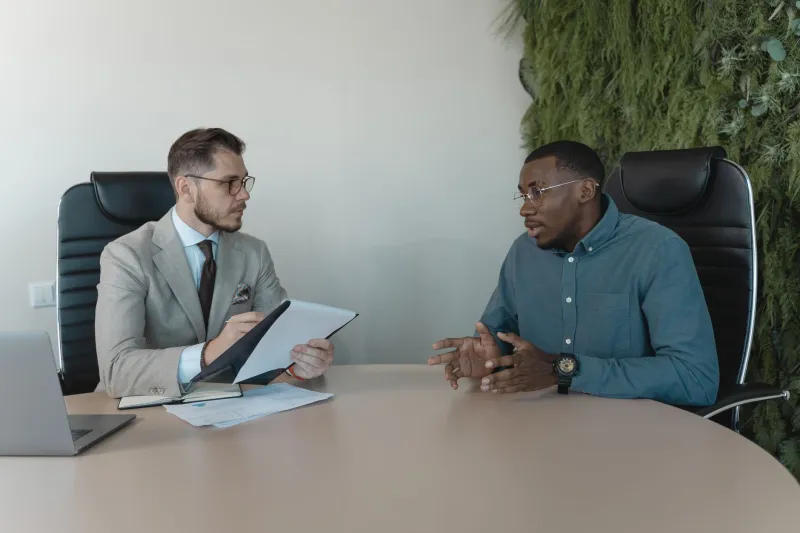
Nobody likes hearing no. That is exactly why most brands never ask why. The deal dies in the CRM, the rep moves on, and the marketing team keeps guessing about what went wrong. Meanwhile, the person who said no is sitting on the most honest feedback you will ever get.
Lost prospects are not failures. They are witnesses. They saw your pitch, compared it to the alternatives, and walked away. If you can get a few of them to talk, you can learn more in twenty minutes than a month of internal brainstorms.
Why lost deals tell the truth
Current customers are biased toward being nice. They already bought, so they want to believe the decision was good. Lost prospects have no reason to flatter you. They are not angry, usually. They are just done. That makes them weirdly honest.
They can tell you where the pitch lost the plot. Was the pricing page confusing? Did the demo answer questions nobody asked? Did your case studies feel like they were written for a company five times their size? Did they never fully understand what you do?
Those answers are content briefs in disguise.
The twenty-minute exit interview
Do not send a survey with twelve rating scales. Send a short, human note. Something like: we are trying to get better at explaining what we do, and we are not trying to win you back. Would you be open to a fifteen-minute call? No pitch, no follow-up sequence, just a few questions.
If they agree, keep the call tight. Ask open questions and then shut up.
- Walk me through the moment you started looking for a solution like ours.
- What did you expect us to be able to do for you?
- Where did our website, demo, or proposal make you pause?
- What did the option you chose do better, in your words?
- What would you have needed to see or read to feel confident choosing us?
- If a friend asked what we do, what would you tell them?
That last question is brutal and useful. It tells you whether your positioning survives outside your own building.
Consent, anonymization, and not being weird
This is where a lot of brands ruin a good thing. You are not doing a post-mortem to make the prospect feel bad. You are doing research. Treat it like research.
Start by explaining how the answers will be used. If the conversation will inform content, say so. Ask permission before recording. If they say no recording, take notes and confirm the main points at the end.
Anonymize by default. Do not publish a quote that says, we chose another vendor because your onboarding looked chaotic, with the prospect's name and company attached. That is not research. That is a burned bridge with a hyperlink.
Use simple rules:
- Aggregate themes before you quote anyone.
- Remove names, company details, deal sizes, and anything that could identify a person in a small market.
- Get written permission for any direct quote, even a short one.
- Do not use a lost prospect's words to mock a competitor or settle a score.
- If they ask to see the final piece, show them.
And do not pitch them again. You said no pitch. Keep your word. The research well runs dry fast when people feel tricked.
From transcript to landing page
The value is in the pattern, not the single spicy quote. After five or six conversations, group the answers into three buckets: confusion, missing proof, and timing.
Confusion is a language problem. If prospects keep misunderstanding what you do, fix the headline, the subhead, and the first three sentences of your homepage. Do not add more features. Add clarity.
Missing proof is a content problem. If they wanted to see a company like theirs, build that case study. If they wanted to know what implementation actually feels like, write the behind-the-scenes article. If they wanted pricing context, publish a plain-English pricing explainer. The content they wished existed is your next content calendar.
Timing is a sales problem, but it still shapes marketing. If prospects consistently say they were not ready for six months, build nurture content that respects the wait. A monthly email with useful field notes beats a drip sequence that keeps asking for a demo.
Turn no into better FAQs and sales narratives
The easiest place to start is your FAQ page. Take the five questions lost prospects asked most often and answer them without spin. Then update your sales one-pager with the objection that showed up in every call. Then rewrite one landing page around the confusion bucket.
You are not looking for a magic phrase that converts everyone. You are looking for the places where your story stopped making sense. Lost prospects can point to those places with surprising precision.
A polite no is not a dead end. It is a map. You just have to be willing to ask for directions.